
What Causes Straight Arm Pain: Causes and Insights
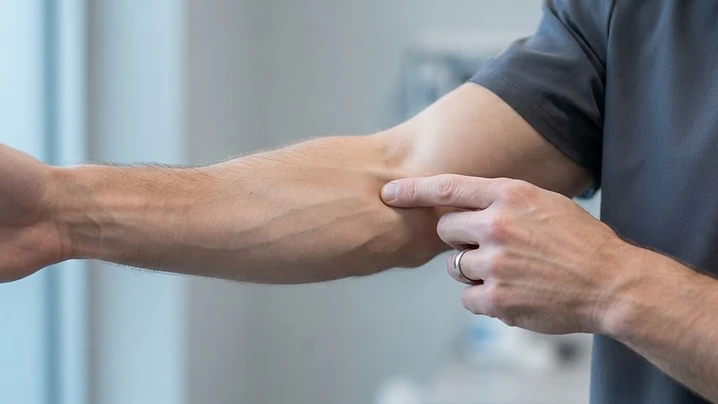
Understanding Arm Anatomy
The arm is a complex structure comprising bones, joints, muscles, tendons, ligaments, nerves, and blood vessels, and it is prone to a variety of issues. Pain in a straight arm could emanate from any of these components, making accurate diagnosis a challenge. Grasping the anatomy is the first step to understanding the potential sources of pain.
Common Causes of Straight Arm Pain
Several conditions can produce pain when the arm is held straight. The most frequent include:
- Muscle strain from overexertion or improper lifting
- Tendinitis of the biceps or triceps from repetitive motion
- Nerve compression such as carpal or cubital tunnel syndrome
- Joint issues like osteoarthritis or bursitis
- Fractures and dislocations from falls or direct impacts
- Referred pain from the cervical spine or, in some cases, the heart
Muscle Strain and Tendinitis
Muscle strains often result from overexertion or improper use, such as lifting heavy objects incorrectly. Symptoms include pain, weakness, swelling, and bruising. Tendinitis typically affects the biceps or triceps tendons in people who perform repetitive motions, producing tenderness, mild swelling, and a dull ache. Treatment for both focuses on rest, ice, and anti-inflammatory medication, followed by guided strengthening and stretching.
Nerve Compression and Joint Issues
Nerve compression syndromes like carpal tunnel and cubital tunnel syndrome occur due to pressure on nerves in the arm, causing pain, numbness, and tingling. Joint issues such as osteoarthritis and bursitis produce stiffness and swelling that may worsen with activity. Ergonomic adjustments, splints, and physical therapy form the first line of treatment.
Fractures, Dislocations, and Referred Pain
Fractures or dislocations in the arm or shoulder cause severe pain and immobility and require immediate medical attention. Referred pain is subtler: a heart attack may cause left arm pain through shared nerve pathways, and cervical spine problems can radiate pain down the arm without any direct injury. Recognizing referred pain is essential to catching serious conditions early.
Less Common Causes
Less frequently, straight arm pain can stem from thoracic outlet syndrome (compression of vessels or nerves between the collarbone and first rib), fibromyalgia, or vascular disorders such as peripheral artery disease that restrict blood flow to the limb.
Diagnosing the Cause
Accurate diagnosis involves a detailed medical history, a physical examination, and often diagnostic tests such as X-rays, MRI, or nerve conduction studies. Understanding the precise cause is critical to effective treatment.
Treatment Options
Treatment varies widely depending on the underlying cause. Common options include:
- Rest and ice to reduce swelling and pain for acute injuries
- Physical therapy to improve flexibility and reduce pain
- Medications such as anti-inflammatory drugs or pain relievers
- Restorative therapy, such as tissue allograft procedures, to cushion joints and offer relief in some cases
- Surgery for severe injuries or conditions unresponsive to other treatments
Preventive Measures
While not all causes can be prevented, certain practices minimize the risk:
- Ergonomic adjustments to reduce strain during daily activities
- Regular exercise to strengthen arm muscles and maintain flexibility
- Taking breaks during repetitive tasks to prevent overuse injuries
Navigating Straight Arm Pain
Straight arm pain underscores the complexity of the human body. By understanding the common and less common reasons behind it, individuals can better navigate diagnosis and treatment. Listen to your body and seek professional medical advice when pain persists or impacts your quality of life. Peak National Wellness offers advanced therapies, including tissue allograft procedures, to address a wide range of conditions contributing to arm pain.
Considering cellular therapy?
Speak with a clinical coordinator to determine whether restorative care is right for your condition.
Begin Your Clinical Pathway