
Heat and Cold Therapy for Arthritis Pain: A Guide to Natural Relief
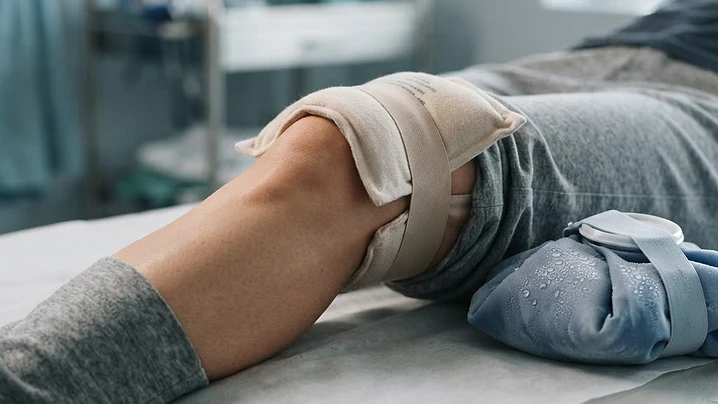
Understanding Arthritis and Its Impact
Arthritis is not a single disease; it is a term that covers over 100 different conditions affecting joints and surrounding tissues. The most common types are osteoarthritis, caused by wear and tear of cartilage, and rheumatoid arthritis, an autoimmune disease affecting the joint lining.
The Role of Heat Therapy
Heat therapy, or thermotherapy, involves applying warmth to affected joints to relieve pain, relax muscles, and increase blood flow. Research indicates heat therapy provides greater benefits than cold when applied after exercise, and heat wraps allow continuous use and rapid resumption of daily activities. It is especially beneficial for stiffness and muscle spasms.
- Warm baths and showers to relax muscles and ease stiffness
- Heating pads for targeted relief
- Heat wraps for continuous, low-level heat on the go
- Relieves joint stiffness and loosens stiff joints
- Increases blood flow to bring nutrients and oxygen to the area
- Reduces muscle spasms
The Significance of Cold Therapy
Cold therapy, or cryotherapy, reduces inflammation, swelling, and pain. Studies in knee osteoarthritis have shown cold packs reduce swelling and ice massage improves strength, range of motion, and function. It is particularly beneficial after a flare-up or acute injury.
- Ice packs wrapped in a towel applied to the affected joint
- Cool baths for overall relief after physical activity
- Over-the-counter cooling gels for on-the-spot treatment
- Reduces inflammation and swelling
- Numbs pain as a local anesthetic
- Limits muscle spasms and tightness
How to Use Heat and Cold Therapy Safely
Follow a few guidelines to maximize effectiveness and safety:
- Check the temperature: warm, not hot, to avoid burns
- Limit heat to 15-20 minutes at a time
- Use a barrier between the source and your skin
- Apply cold for shorter periods, 10-15 minutes
- Monitor skin for adverse reactions
When to Use Heat vs. Cold
Use heat for stiffness, especially morning stiffness. Use cold for inflammation, swelling, or flare-ups. If you have reduced sensation, diabetes, or vascular disease, consult your doctor before use, and never sleep with a heating pad.
Integrating Therapy into Your Care Plan
Heat and cold therapy can be a valuable addition to your arthritis management plan, especially when combined with physical therapy, medications, and lifestyle changes. Always consult a healthcare provider to ensure these therapies suit your condition. Peak National Wellness offers a range of therapies to guide you — contact us today to learn more.
Considering cellular therapy?
Speak with a clinical coordinator to determine whether restorative care is right for your condition.
Begin Your Clinical Pathway