
Does Arthritis Damage the Joints?
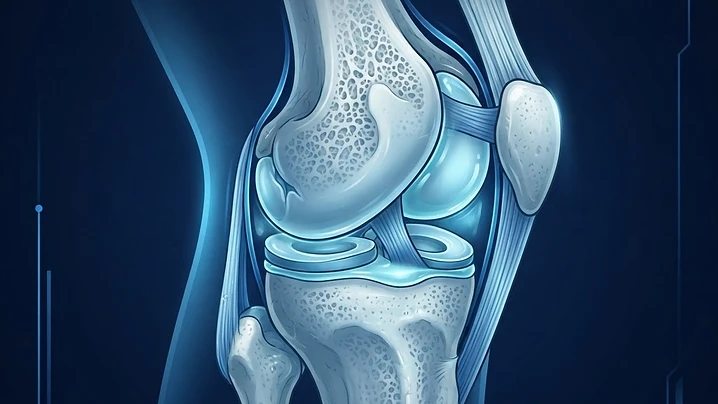
Understanding Arthritis
Arthritis is not a singular disease but a way of referring to joint pain or joint disease, with more than 100 different types. The two most common are osteoarthritis — where cartilage cushioning the bones wears down over time — and rheumatoid arthritis, an autoimmune disorder in which the immune system attacks the joint lining. Other forms include psoriatic arthritis, gout, lupus, and ankylosing spondylitis.
How Arthritis Damages Joints
Arthritis damages joints through several mechanisms:
- Cartilage wear and tear: in osteoarthritis, cartilage wears away so bones rub together, causing pain and stiffness
- Inflammation: in rheumatoid and autoimmune forms, chronic inflammation damages cartilage and bone and can cause deformity
- Bone erosion: both forms can thin bones and lead to erosion or bone spurs
- Joint deformity: chronic inflammation weakens tendons and ligaments, causing the joint to lose shape and alignment
Symptoms of Joint Damage
Symptoms may include persistent joint pain, swelling and inflammation, reduced range of motion, stiffness (especially in the morning), redness and warmth, and deformity in severe cases.
Diagnosis and Treatment
Diagnosis involves physical examinations, blood tests, and imaging such as X-rays, MRIs, and CT scans. Treatment aims to control pain, minimize damage, and maintain function through medications, physical therapy, lifestyle changes, and, in severe cases, surgery.
Living with Arthritis
About one in four adults experience joint pain from arthritis, and many face limitations in daily activities. A proactive approach helps:
- Holistic management combining medical treatment with diet, exercise, and stress reduction
- Community and support groups for emotional and practical help
- Regular medical care to monitor and adjust treatment
- Innovative therapies such as tissue allograft procedures where traditional treatments are insufficient
Navigating Arthritis Management
Arthritis can cause significant joint damage, but early diagnosis and an effective treatment plan minimize that damage and maintain quality of life. Peak National Wellness offers restorative tissue transplants and free educational seminars to help you make informed healthcare decisions — contact us today to begin.
Considering cellular therapy?
Speak with a clinical coordinator to determine whether restorative care is right for your condition.
Begin Your Clinical Pathway